
Mary Boleyn
"The great whore" no more

My new book, Mary Boleyn:The Queen’s Slandered Sister, was launched into the world on 7 May 2026. It feels so surreal because this book has been a labour of love, and the research and writing process lasted several years.
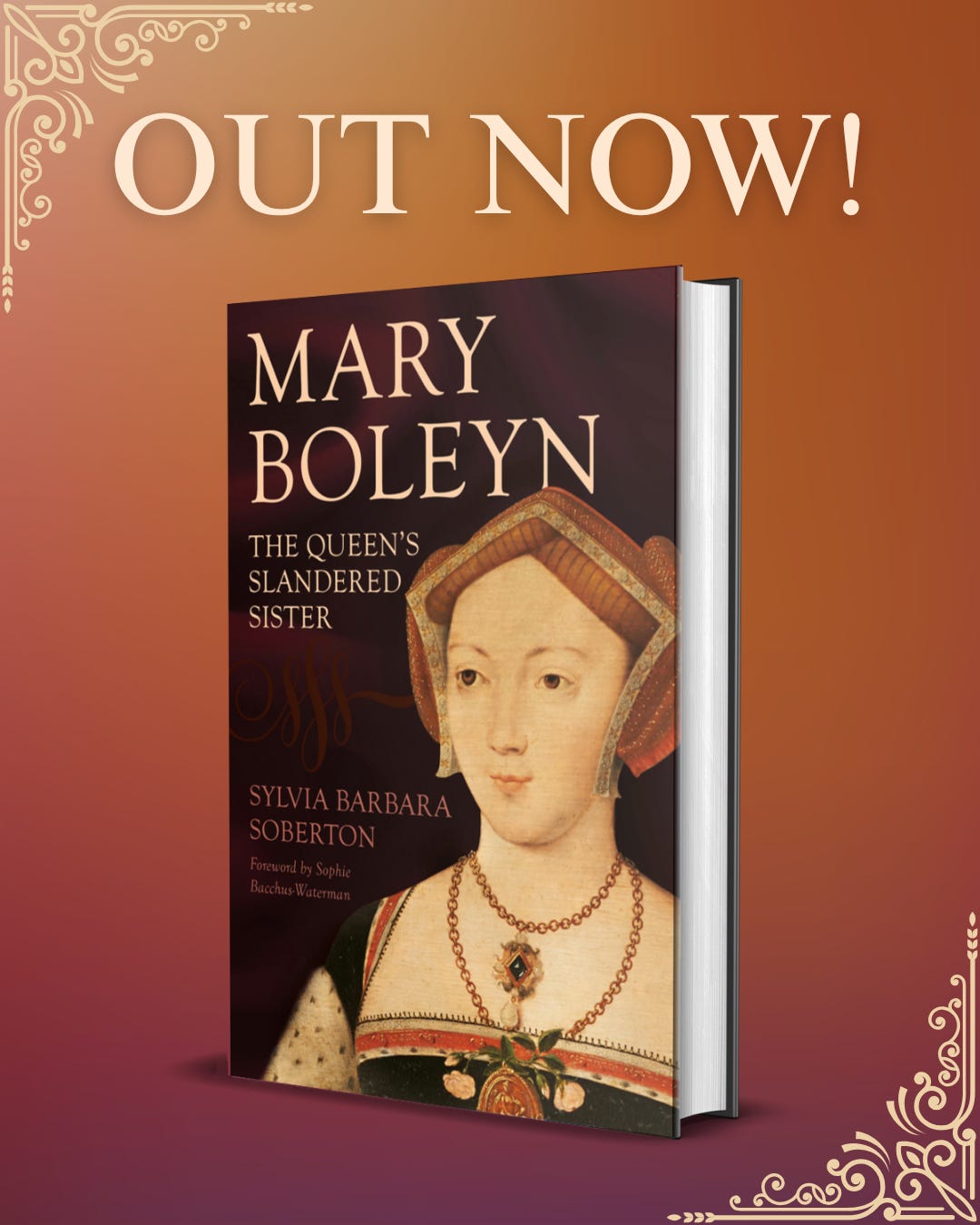
One of the book’s most significant revelations — one that fundamentally reshapes our understanding of Mary Boleyn — is that the description of her as a “great whore, infamous above all others” stems from a mistranslation.
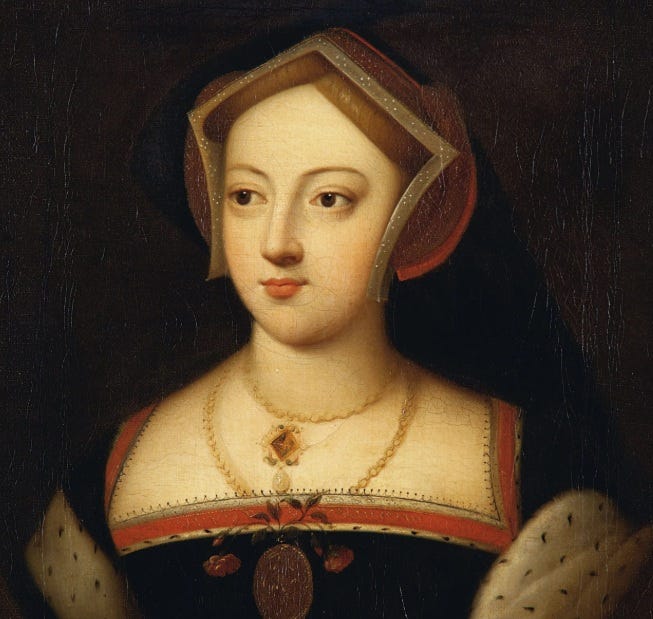
‘Great whore, infamous above all others’?
This characterisation comes from a letter written by papal legate Rodolfo Pio da Carpi, Bishop of Faenza, dated 10 March 1536—or more precisely, from how that letter has been translated into English. The English translation, published in the tenth volume of Letters and Papers in 1877, states that:
‘Francis said also that they are committing more follies than ever in England, and are saying and printing all the ill they can against the Pope and the Church; that ‘that woman’ pretended to have miscarried of a son, not being really with child, and, to keep up the deceit, would allow no one to attend on her but her sister, whom the French king knew here in France per una grandissima ribalda et infame sopre tutte’.
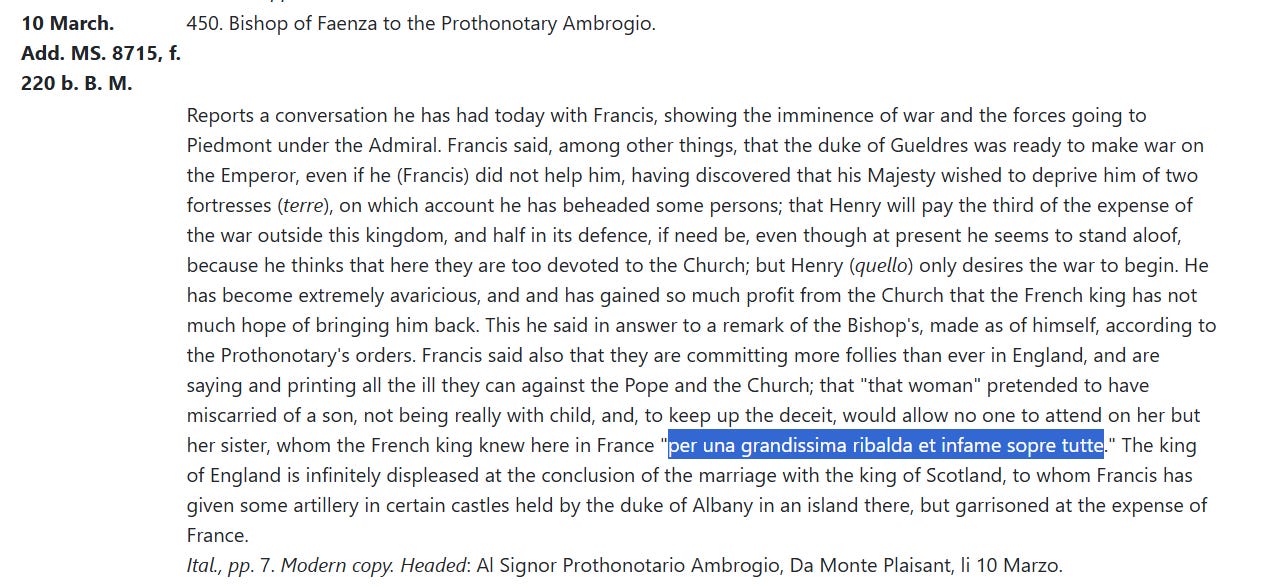
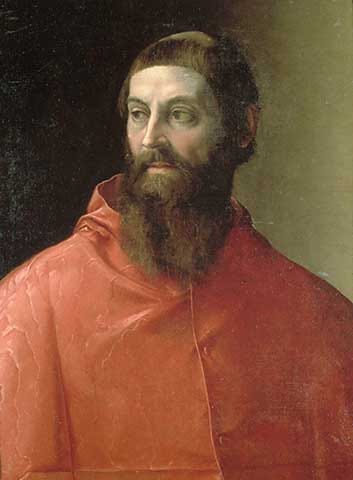
In this dispatch, Pio da Carpi writes about the audience he had with Francis I, French King, who told him that Anne Boleyn (‘that woman’ as he contemptuously referred to her) had pretended to have a miscarriage, and that to cover up this ‘deceit’, she allowed no one to attend on her ‘but her sister’. Francis allegedly ‘knew’ the said sister, Mary Boleyn, as una grandissima ribalda et infame sopre tutte, ‘great whore and infamous above all others’.
Historians who base their interpretation of Mary’s character on Pio da Carpi’s letter accepted this translation, mistakenly believing that Mary was the ‘grandissima ribalda’, ‘great whore’. However, the word ‘riblada’ is not synonymous with a ‘whore’, or ‘prostitute’, and the excerpt that is usually quoted is a mistranslation.
I returned to Rodolfo Pio da Carpi’s original letter, written in Italian, and discovered that Mary Boleyn is not specifically mentioned in it. In his original letter, Rodolfo Pio da Carpi said that Francis I told him that:
‘that woman [Anne Boleyn] pretended to have lost a male child, even though she was not pregnant. To better conceal this deception, she did not allow anyone except one of her sisters to attend her in this matter, whom His Majesty has known here in France as a great wanton and, above all, infamous’.
When Pio da Carpi referred to ‘one of her [Anne Boleyn’s] sisters,’ he did not name Mary Boleyn in particular. Anne had only one sister, which is why the editors of the Letters and Papers series interpreted Pio da Carpi’s comment as referring specifically to Mary Boleyn, even though she is not mentioned in the dispatch.
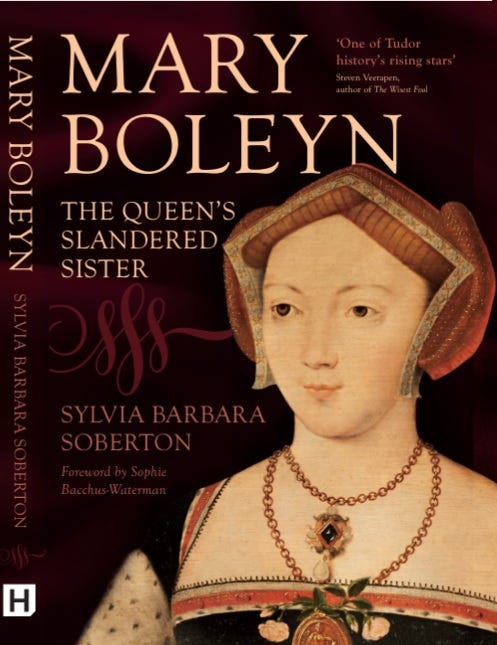
This is not the only discovery I made over the course of my research. Want to learn more? It’s all in Mary Boleyn: The Queen’s Slandered Sister. If you live outside of the UK but can’t wait to read the book, Blackwell’s offers free international shipping.
You may also enjoy the article I wrote for Rebecca Larson’s History Corner: ‘Five things you should stop believing about Mary Boleyn’.
Stay tuned for more posts about Mary Boleyn!

I have Kindle Rewards Points dedicated to this ebook whenever it's available to me in the US!